What They Really Mean — and How to Choose Wisely
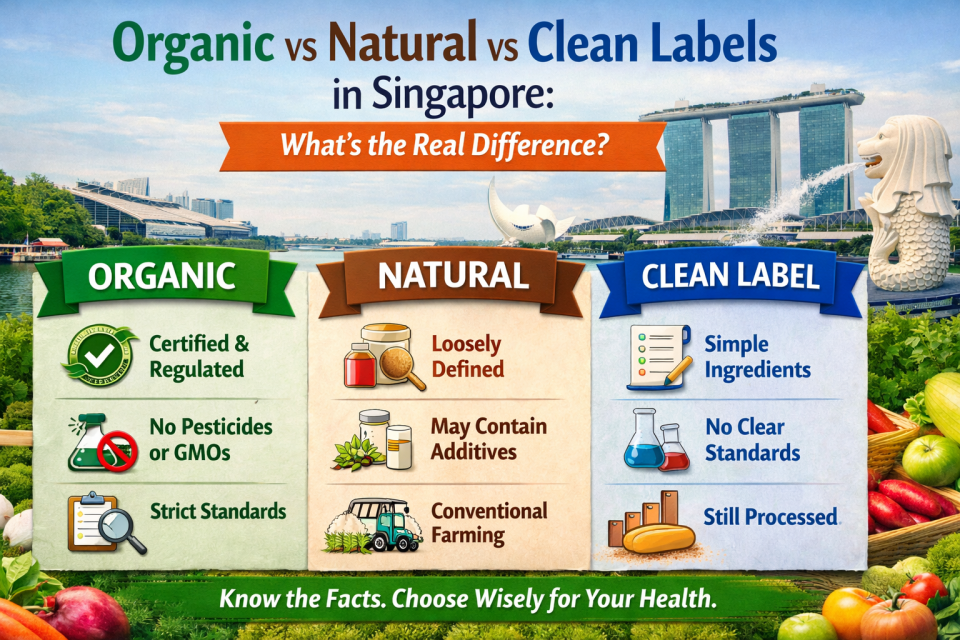
Walk into any supermarket in Singapore or browse an online organic or wellness store, and you’ll immediately see products labelled “organic,” “natural,” and “clean.” These terms appear on everything from fruits and vegetables to packaged foods, supplements, skincare, and household products.
They sound healthy. They sound safe. They sound trustworthy.
But they do not mean the same thing — and misunderstanding these labels is one of the biggest reasons consumers in Singapore overpay, feel misled, or assume they are making healthier choices when they may not be.
With over 90% of Singapore’s food imported from countries with different farming and regulatory standards, understanding what these labels actually mean is essential.
This guide explains:
- The real difference between organic, natural, and clean labels
- How each term is regulated (or not)
- Why label confusion is common in Singapore
- How to shop wisely without falling for marketing hype
Why Label Confusion Is So Common in Singapore
Demand for healthier, more sustainable products has surged in Singapore over the past decade. Consumers are increasingly concerned about:
- Pesticides and chemical residues
- Artificial ingredients and additives
- Environmental impact
- Long-term health
Brands have responded — but not always with clarity.
Terms like “natural” and “clean” are widely used because they:
- Sound reassuring and healthy
- Appeal to lifestyle aspirations
- Are often not legally regulated
Unlike nutrition panels or allergen warnings, these labels frequently exist in a grey area between regulation and marketing. In an import-heavy market like Singapore, this makes it difficult for consumers to separate genuine standards from clever branding.
What Does “Organic” Really Mean?
Organic is the most clearly defined and strictly regulated of the three labels.
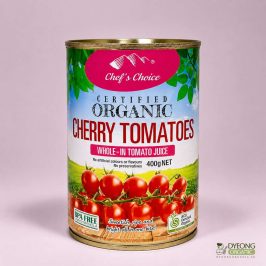
When a product is certified organic, it means it has met specific standards set by recognised certification bodies and has been independently verified. These standards apply to the entire production process — not just the final product.
Core Principles of Organic Certification
Certified organic products generally must meet requirements such as:
- No synthetic pesticides, herbicides, or fertilisers
- No genetically modified organisms (GMOs)
- Responsible soil, water, and environmental management
- Strict limits on additives and processing aids
- Full traceability from farm to shelf
For animal-based products, standards may also include:
- Higher animal welfare requirements
- Organic feed
- Limits on antibiotics and growth hormones
Common Organic Certifications Seen in Singapore
Because Singapore imports most organic products, you’ll often see international certifications such as:
- Australian Certified Organic (ACO)
- USDA Organic (United States)
- EU Organic Certification
- NASAA Certified Organic
- JAS Organic (Japan)
These certifications require documentation, audits, and ongoing compliance. They cannot be claimed casually — and misuse can result in penalties.
What Organic Does Not Mean
Organic does not automatically mean:
- Completely pesticide-free (approved natural inputs may still be used)
- Locally grown
- Unprocessed
- Perfect in appearance
Organic farming prioritises ecological balance and sustainability, not cosmetic perfection or maximum yield.
The Truth About “Natural” Labels
The term “natural” is one of the most misunderstood in food and wellness marketing.
In Singapore and many other countries, natural has no consistent legal definition when used on food, supplements, or personal care products. Brands largely decide for themselves what qualifies.
What “Natural” May Mean
A natural-labelled product may:
- Contain ingredients derived from plants or minerals
- Be less processed than conventional alternatives
- Avoid certain artificial colours or flavours
What “Natural” Does Not Guarantee
A natural product may still:
- Be grown using synthetic pesticides
- Contain artificial preservatives
- Include genetically modified ingredients
- Be heavily processed
Natural does not equal organic, and it does not automatically mean safer or healthier.
Why Brands Love the Term “Natural”
From a marketing perspective, “natural” is powerful because:
- It sounds positive and intuitive
- It requires little regulatory proof
- It avoids strict compliance costs
This doesn’t mean all natural products are bad — but it does mean consumers should look beyond the word itself.
What Are “Clean” Labels?
“Clean” is a newer term popular in the wellness, skincare, and supplement industries.
Generally, clean implies that a product avoids certain ingredients perceived as harmful or controversial. However, there is no universal or legal definition of clean.
Common Interpretations of “Clean”
Depending on the brand, clean may mean:
- No parabens, sulphates, or artificial colours
- Short ingredient lists
- Minimal processing
- Free from certain allergens
These standards are self-defined, not independently verified.
The Problem With Clean Labels
Because clean standards vary widely:
- One brand’s clean product may not meet another’s definition
- There is no requirement for third-party audits
- Consumers must rely on brand honesty
Clean can be helpful — but without certification, it offers limited assurance.
Clean vs Organic: Why They Are Not the Same
This is one of the most important distinctions for Singapore consumers.
A product can be:
- Clean but not organic
- Organic but not marketed as clean
- Neither, despite premium branding
Key Difference
- Organic certification covers farming methods and the entire supply chain
- Clean labels usually focus only on ingredient exclusion
A clean-labelled product may still use conventionally grown ingredients or synthetic agricultural inputs.
Why Certification Matters in Singapore
Certification introduces accountability.
Certified products must:
- Meet documented standards
- Undergo inspections or audits
- Maintain traceability records
In Singapore, where consumers cannot easily verify overseas farming practices, certification provides real assurance, not just claims.
How to Read Labels Like an Informed Consumer
To shop smarter in Singapore:
1. Look for Recognised Certification Logos
These provide the strongest verification.
2. Read Ingredient Lists
Ignore marketing language and check actual contents.
3. Be Cautious of Vague Claims
Terms like “pure,” “farm fresh,” or “chemical-free” are not regulated.
4. Research Unfamiliar Brands
Transparent brands disclose sourcing and standards.
5. Buy From Vetted Organic Marketplaces
Curated platforms reduce risk and confusion.
Why This Matters More in Singapore
Singapore’s food and wellness ecosystem is unique:
- Heavy reliance on imports
- Products from multiple regulatory systems
- High consumer expectations for safety
This makes label literacy essential. Without it, consumers may assume standards that don’t actually exist.
How Organic Marketplaces Reduce Label Confusion
Trusted organic and wellness marketplaces:
- Verify certifications before onboarding vendors
- Review sourcing and documentation
- Monitor ongoing compliance
- Remove misleading or non-compliant sellers
This shifts the burden of verification away from consumers.
Organic vs Natural vs Clean: How to Choose
- Choose organic if verification, farming practices, and sustainability matter most
- Choose natural cautiously, with additional research
- Choose clean when ingredient simplicity is a priority — but don’t assume organic standards
Understanding what each term guarantees (and doesn’t) is the key.
Knowledge Is the Real Clean Ingredient
In a market filled with persuasive branding, education is your strongest protection.
Understanding organic, natural, and clean labels helps you:
- Avoid misleading claims
- Shop with confidence
- Support genuinely responsible brands
- Make choices aligned with your values
Because when it comes to health and wellbeing, clarity always beats clever marketing.