Singapore consumers are increasingly choosing organic food, wellness products, and clean personal care items. But as demand grows, so does confusion. With over 90% of food imported and wellness products sourced from multiple countries with varying regulations, knowing which products are genuinely safe, organic, and trustworthy is not always straightforward.
This is where organic marketplaces in Singapore play a critical role.
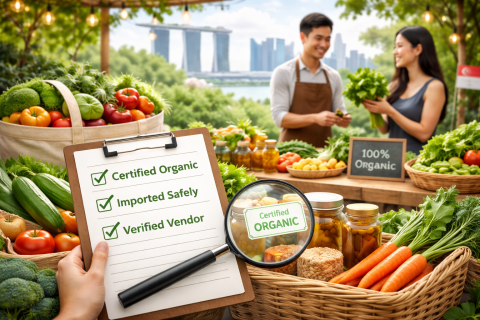
Unlike open e-commerce platforms or conventional supermarkets, organic marketplaces are designed to protect consumers through strict vendor verification, certification checks, transparency requirements, and ongoing accountability.
This article explains how organic marketplaces protect consumers in Singapore, why these safeguards matter, and how they reduce risk in an import-heavy market.
Why Consumer Protection Matters in Singapore’s Food & Wellness Market
Singapore’s food ecosystem is unique:
- Limited local farmland
- Heavy reliance on imported food and wellness products
- Products sourced from Australia, New Zealand, Europe, the US, and across Asia
- Different countries, different standards
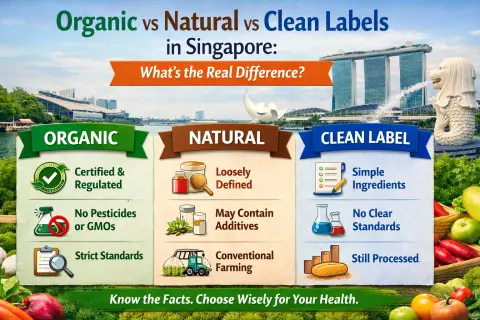
While Singapore has strong food safety regulations, not all product claims are equal, especially when it comes to labels like “organic,” “natural,” or “clean.”
Without proper checks, consumers may:
- Overpay for misleading claims
- Assume products meet standards they don’t
- Be exposed to inconsistent quality
Organic marketplaces exist to close this trust gap.
What Is an Organic Marketplace?
An organic marketplace is a curated platform that allows only verified organic and wellness vendors to sell products.
Unlike open marketplaces where anyone can list items freely, organic marketplaces apply clear entry criteria before vendors are approved.
These criteria typically include:
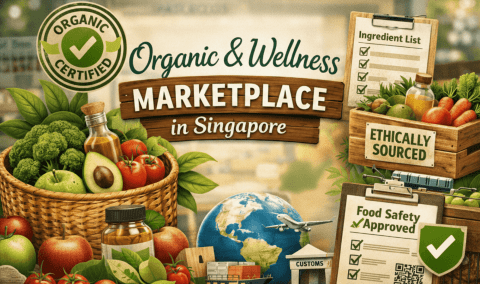
- Recognised organic certifications
- Transparent ingredient and sourcing information
- Compliance with food safety and import regulations
- Ethical and responsible production practices
This structure is designed specifically to protect consumers, not just facilitate transactions.
1. Vendor Verification Before Products Are Listed
One of the most important ways organic marketplaces protect consumers is through vendor verification.
Before a vendor is allowed to sell, marketplaces typically require:
- Business registration details
- Organic certification documents (where applicable)
- Product sourcing and origin information
- Import and food safety compliance documentation
This upfront screening prevents unverified sellers from making unsupported claims.
In contrast, open marketplaces often rely on complaints or post-listing enforcement — meaning consumers bear the risk first.
2. Verification of Organic Certifications
“Organic” is a regulated term — but only when certification is verified.
Trusted organic marketplaces in Singapore review certifications from recognised bodies such as:
- Australian Certified Organic (ACO)
- USDA Organic
- EU Organic Certification
- NASAA Certified Organic
- JAS Organic (Japan)
This ensures that:
- The certification is real and current
- It applies to the actual product being sold
- Claims are not exaggerated or misleading
For consumers, this provides assurance that organic means organic, not just marketing language.
3. Protection Against Misleading Labels and Claims
Terms like natural, farm fresh, chemical-free, or clean are commonly used in Singapore — but many of these terms are not strictly regulated.
Organic marketplaces protect consumers by:
- Rejecting vague or unsupported claims
- Requiring clear ingredient disclosures
- Prioritising certified products over unverified ones
This helps prevent “greenwashing” — where products appear healthier or more sustainable than they actually are.
4. Food Safety and Import Compliance Checks
Because Singapore imports most of its food, import compliance and handling standards are critical.
Organic marketplaces often ensure vendors:
- Comply with Singapore food safety regulations
- Follow proper handling and storage requirements
- Maintain traceability from source to delivery
For organic produce, this may include:
- Cold-chain logistics
- Freshness controls
- Proper packaging and labelling
These checks help protect consumers from contamination, spoilage, and inconsistent quality.
5. Ingredient Transparency for Wellness & Personal Care Products
Consumer protection extends beyond food.
For supplements, skincare, and personal care items, organic marketplaces often require:
- Full ingredient lists
- Clear disclosure of active compounds
- Absence of prohibited or controversial substances
This transparency allows consumers to:
- Make informed decisions
- Avoid allergens or unwanted additives
- Compare products accurately
Without this, consumers may rely solely on packaging claims, which can be misleading.
6. Ongoing Vendor Monitoring and Accountability
Protection doesn’t stop after onboarding.
Reputable organic marketplaces conduct ongoing monitoring, which may include:
- Periodic document updates
- Re-verification of certifications
- Review of customer feedback
- Removal of non-compliant products or vendors
This continuous oversight ensures standards are maintained over time — not just at the point of entry.
7. Reduced Risk Compared to Open Marketplaces
On open marketplaces:
- Sellers can list products with minimal checks
- Claims are often unchecked until issues arise
- Consumers must do their own verification
Organic marketplaces reverse this responsibility.
They act as a gatekeeper, reducing the burden on consumers to:
- Research certifications
- Verify sourcing
- Assess credibility
This is especially valuable in Singapore, where most consumers cannot easily verify overseas production practices.
8. Education That Empowers Consumers
Many organic marketplaces also invest in consumer education.
This may include:
- Explaining organic certifications
- Clarifying the difference between organic, natural, and clean
- Providing sourcing and farming information
- Publishing guides on organic living
Education helps consumers make confident, informed choices, rather than relying on assumptions.
Why Organic Marketplaces Matter More in Singapore
In countries with large local farming industries, consumers may have direct access to producers.
In Singapore:
- Food is imported
- Supply chains are long
- Standards vary across regions
This makes trust, verification, and transparency essential.
Organic marketplaces serve as a reliable bridge between:
- Overseas producers
- Local regulations
- Singapore consumers
They reduce risk while raising standards across the supply chain.
How SGOrganic Protects Consumers
At SGOrganic, consumer protection is central to the platform’s mission.
This includes:
- Careful vendor verification
- Review of certifications and sourcing documents
- Clear product transparency
- Ongoing monitoring and accountability
By enforcing standards consistently, SGOrganic helps Singapore consumers shop organic and wellness products with confidence — not guesswork.
Smarter, Safer Organic Shopping in Singapore
Choosing an organic marketplace is about more than convenience.
It is about:
- Trust in what you’re buying
- Confidence in product claims
- Protection in an import-heavy market
For Singapore consumers navigating a complex global supply chain, organic marketplaces provide clarity, safety, and peace of mind — making healthier choices easier and more reliable.